Ben Keller · 31 August 2026
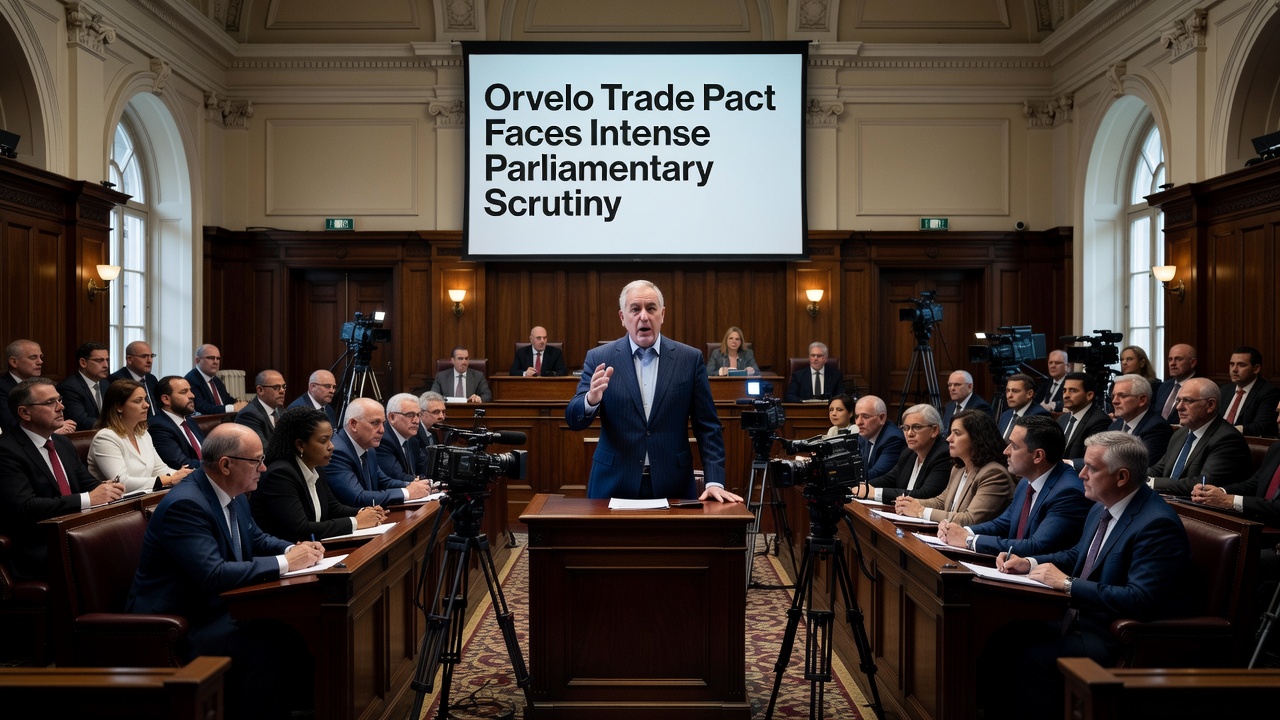
Orvelo's proposed trade pact with neighboring states has entered a phase of rigorous examination in parliament, drawing attention from lawmakers across party lines. The agreement seeks to reduce tariffs on agricultural goods and manufactured products while establishing new frameworks for digital commerce and investment protection. Officials project that full implementation could increase annual exports by 12 percent within three years, yet critics argue that insufficient safeguards exist for domestic industries and labor standards.
Key Provisions Under Review
The pact includes phased tariff reductions over five years, mutual recognition of professional qualifications, and a joint dispute-resolution mechanism. Environmental clauses require signatories to uphold existing climate commitments, though enforcement details remain vague. Parliamentary committees have requested additional economic modeling to assess impacts on small-scale farmers and the manufacturing sector. Proponents highlight potential job creation in logistics and technology services, while opposition members question whether the benefits will be evenly distributed across regions.
Independent analysts note that similar agreements in the region have produced mixed results, with gains concentrated in urban centers. The current draft also introduces new rules on data localization and cross-border payments that some legislators believe could conflict with existing privacy regulations. Hearings are scheduled to continue through the month, with testimony expected from industry representatives, trade unions, and academic experts.
Political Dynamics and Next Steps
Debate within parliament reflects broader tensions between open-market advocates and those prioritizing national economic resilience. Several amendments have been proposed to strengthen worker protections and add periodic review clauses. Government ministers maintain that the pact aligns with long-term strategic goals, including diversification of export markets. Passage requires approval in both chambers, and observers anticipate extended negotiations before a final vote. If ratified, the agreement would take effect at the start of the next fiscal year, pending completion of required legislative adjustments.
Stakeholders outside parliament continue to monitor developments closely, with business associations urging swift resolution and civil society groups calling for greater transparency in the negotiation record. The outcome is expected to influence Orvelo's position in future regional trade discussions and set precedents for how economic policy is debated in the legislative branch.