Dana Jenkins · 31 August 2026
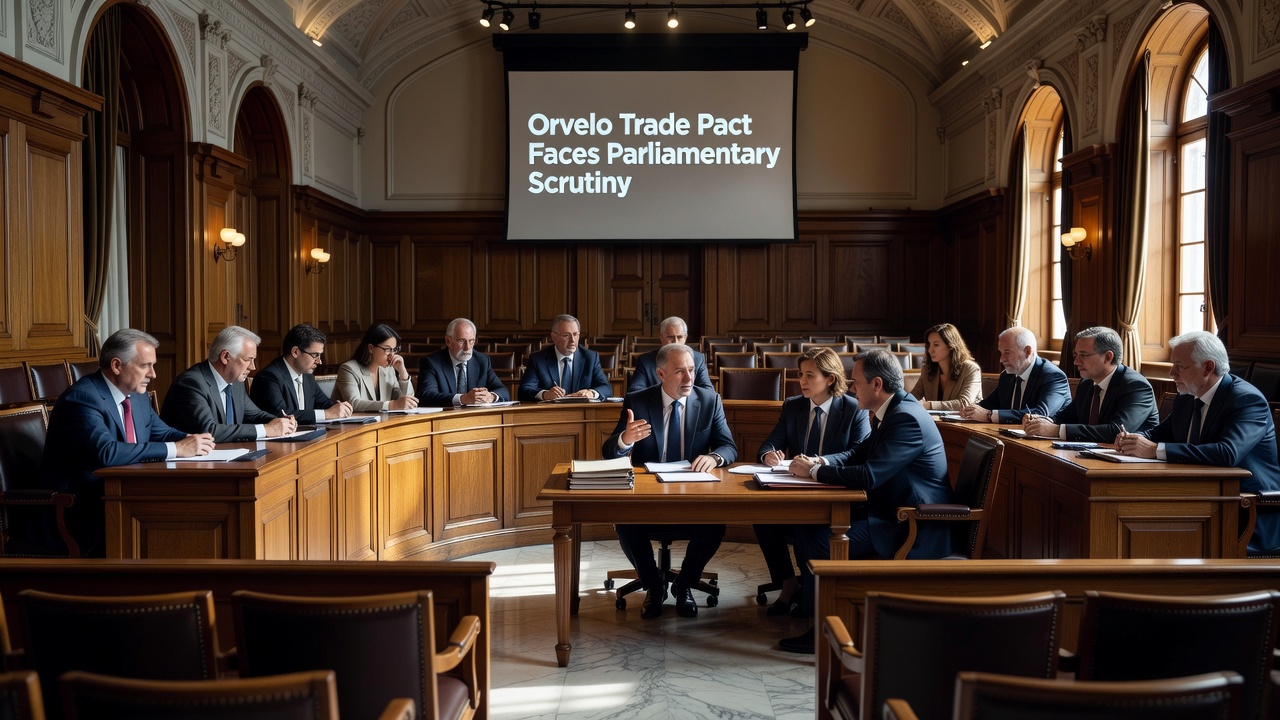
Orvelo's recently signed trade pact with neighboring economic blocs has entered a phase of intense parliamentary examination. Lawmakers convened this week to assess the agreement's provisions on tariffs, labor standards, and environmental safeguards. The pact, finalized last month, aims to reduce barriers across key sectors including agriculture and technology exports.
Key Provisions Under Review
Central elements include phased tariff reductions over five years and commitments to align with international labor conventions. Parliamentary committees highlighted potential impacts on domestic manufacturing, noting that import surges could affect small-scale producers. Data from preliminary economic modeling suggests a 12 percent increase in bilateral trade volumes within the first two years, though projections vary based on compliance rates. Opposition members questioned the absence of explicit safeguards against currency manipulation, urging amendments before ratification.
Industry representatives testified that streamlined customs procedures would benefit exporters, particularly in the renewable energy supply chain. However, concerns were raised regarding enforcement mechanisms for environmental clauses, with some legislators calling for independent monitoring bodies. The finance ministry presented fiscal impact assessments indicating modest revenue gains offset by adjustment costs for affected sectors.
Timeline and Stakeholder Positions
Debates are scheduled to continue through the next legislative session, with a vote anticipated by quarter's end. Government officials emphasized the pact's strategic value in diversifying trade partnerships amid global supply chain shifts. Business associations expressed support while advocating for transitional support programs for workers in vulnerable industries. Civil society groups submitted reports underscoring the need for transparent public consultations to address equity issues in rural economies. Analysts note that similar agreements in the region have required multiple revisions to secure broad consensus, suggesting the current scrutiny may lead to targeted revisions rather than outright rejection.